
September Algae Growth: A Hidden Threat to Your Pond
September in many parts of the United States marks the tail end of summer’s nutrient surge. Warm water, lingering sunlight, and runoff from lawns, farms, and septic systems often fuel late-season algal blooms in ponds. But what happens when algae proliferate this time of year? These blooms, though sometimes visually benign, can drastically alter pond food chain dynamics, impacting everything from plankton to fish and waterfowl. In this post, we explore how September algal blooms affect pond ecosystems across the U.S.—and what you can do to protect your water.
Why Algal Blooms Peak in September
Late summer and early fall create ideal conditions for algal growth: warm, stagnant water plus high nutrient loads from fertilizer, decaying vegetation, and watershed runoff. Cyanobacteria (blue-green algae) thrive under these conditions and often appear as green surface mats or paint-like streaks. In regions like the Midwest and Northeast, summer heat lingers into September, sustaining blooms well past Labor Day.
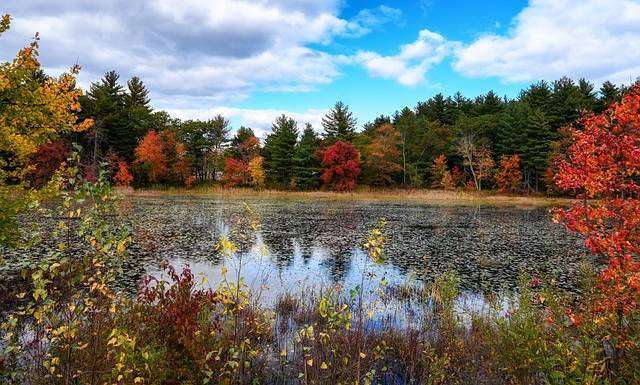
In southern states, where warm weather continues, blooms can persist even longer. This makes September a critical month for U.S. pond owners to monitor their water closely.
Blocking Sunlight and Starving the Base
Dense algal mats block sunlight from reaching submerged plants, disrupting photosynthesis and weakening the foundation of the food chain. Without sunlight, rooted vegetation and beneficial phytoplankton die off, depriving invertebrates and small fish of food and shelter. In many farm ponds and residential ponds across the U.S., this process leads to oxygen depletion—sometimes resulting in fish kills. As decomposing algae consume oxygen, “dead zones” can form, putting stress on fish populations and driving away pond-edge wildlife.
Toxins Traveling Up the Food Chain
Some late-season blooms are not just disruptive—they’re dangerous. Harmful algal blooms (HABs), especially those dominated by cyanobacteria, can release toxins that affect fish, amphibians, pets, and even humans. In states like Ohio, Michigan, and Minnesota, where nutrient runoff into ponds is common, cyanotoxins are increasingly reported in September. These toxins pass up the food chain when smaller organisms ingest algae, ultimately affecting larger fish, waterfowl, and even livestock that drink from ponds. For pond owners, this creates health risks and complicates recreational use such as fishing or swimming.
Food Web Collapse and Ecological Cascades
When September algal blooms expand unchecked, the biodiversity of a pond shrinks. Declining plants and zooplankton reduce food options for small fish, which then affects predator species like bass or herons. In some southern ponds, unpalatable algae dominate the system, leaving fish without quality forage. As the food chain unravels, opportunistic species such as mosquitoes may thrive, further degrading pond balance. Without intervention, this late-season collapse can affect the pond’s resilience heading into winter, making spring recovery more difficult.
Some Unexpected Effects: Biodilution and Green Opportunities
While dense algal blooms mostly harm ecosystems, some short-term effects may appear neutral or even positive. In certain cases, heavy algal biomass can lower contaminant concentrations in zooplankton, a process called biodilution. Additionally, not all algae species are harmful; some do provide oxygen and food at low densities. However, these benefits are temporary and rarely outweigh the risks of toxic or oxygen-depleting blooms that dominate in September across much of the U.S.
September Pond Management: Guarding the Food Chain
To protect pond ecosystems during late summer and fall, U.S. pond owners can take several proactive steps:
- Nutrient control: Establish buffer strips with native plants, reduce lawn fertilizer near shorelines, and inspect septic systems for leaks.
- Aeration and circulation: Aerators and fountains, widely used by National Pond Service clients, help oxygenate water, break up stratification, and limit bloom potential.
- Routine monitoring: Conduct water tests for cyanobacteria and visually inspect ponds for surface scum or unusual odors.
- Targeted treatment: When necessary, natural options such as probiotic beneficial bacteria such as barley straw can help reduce blooms—but should be applied carefully to avoid harming beneficial organisms.
- Post-bloom cleanup: Removing excess organic material in fall helps prevent nutrient recycling that would otherwise fuel next year’s blooms.
At National Pond Service, we specialize in algae management, aeration, and water quality testing, helping pond owners across the United States keep their ecosystems healthy year-round.
Safeguarding Your Pond Ecosystem Through Fall in the United States
September algal blooms are more than a seasonal nuisance—they disrupt the entire pond food chain, from plants and plankton to fish and wildlife. Reduced sunlight, oxygen loss, toxin buildup, and ecological imbalance all contribute to this late-season stress. By acting early with strategies like aeration, nutrient control, and professional water testing, U.S. pond owners can minimize damage and preserve a balanced ecosystem. National Pond Service is here to help safeguard your pond as you head into fall and prepare for the challenges of winter.
Additional Reading:
- United States Environmental Protection Agency (EPA) – Nutrient Pollution: The Effects on the Environment
https://www.epa.gov/nutrientpollution/effects-environment - Penn State Extension – Harmful Algal Blooms (HABs) in Freshwater Systems
https://extension.psu.edu/harmful-algae-blooms-habs - National Resources Defense Council (NRDC) – Freshwater Harmful Algal Blooms 101
https://www.nrdc.org/stories/freshwater-harmful-algal-blooms-101 - U.S. Geological Survey (USGS) – Algal Blooms Aren’t Always Harmful—But When They Are, Science Can Help
https://www.usgs.gov/news/featured-story/algal-blooms-arent-always-harmful-when-they-are-science-here-help - University of Arkansas Cooperative Extension (UAEX) – Managing Nutrient Inputs and Algal Growth in Farm Ponds
https://www.uaex.uada.edu/publications/PDF/FSA-9094.pdf - Woods Hole Oceanographic Institution (WHOI) – Harmful Algae Research and Impacts
https://hab.whoi.edu/impacts/impacts-ecosystems/