
Natural Ways to Clean Large Ponds Without Chemicals: A Pond Owners Guide
Larger ponds require specialized natural cleaning approaches due to their size and complexity. In this article, we want to discuss effective solutions for large pond muck and algae management. The five most effective chemical-free methods include:
- Comprehensive aeration systems with multiple diffusers
- Watershed and buffer management using native vegetation
- Large-scale beneficial bacteria applications
- National Pond Service Country Pond Filter system (optimal for ponds up to one acre)
- Mechanical harvesting and hydro-raking for accumulated muck
These solutions address pond issues by targeting root causes rather than symptoms, creating sustainable ecosystems that require decreasing maintenance over time. Effectiveness varies based on:
- Pond type (farm, recreational, detention, or decorative)
- Water body size and depth
- Specific management objectives
- Budget constraints
- Regulatory requirements
This article explores natural solutions for reducing pond muck and algae in large water bodies like farm ponds, HOA ponds, detention basins, and commercial ponds such as those found in many office parks. Learn how to implement effective biological pond filtration, create healthy buffer zones, and develop maintenance strategies specifically designed for acre-plus ponds without using harmful chemicals that damage aquatic ecosystems.
Top 5 Natural Solutions for Large Pond Management
1. Comprehensive Aeration Systems
DIY Approach:
For ponds up to several acres, multiple bottom-diffused aeration systems can be installed by knowledgeable property managers. These typically include shore-mounted compressors feeding air to diffuser plates positioned strategically throughout the pond. While requiring significant initial investment, DIY aeration systems for large ponds can be cost-effective compared to professional installation, though proper sizing and placement are critical for success.
Professional Solution:
Professional aeration design for large ponds involves detailed bathymetric mapping, water quality analysis, and custom-engineered systems. These may include combinations of bottom diffusers, surface aerators, and horizontal circulators based on pond morphology. Professional installation ensures optimal placement and often includes monitoring and maintenance programs to maintain effectiveness as pond conditions change seasonally.
Large Pond Aeration Considerations:
- Multiple diffuser systems are essential for ponds over one acre
- Wind-powered and solar options can reduce operational costs for remote locations
- Destratification systems prevent thermal layering that contributes to bottom anoxia
- Proper sizing based on pond volume and depth is crucial for success
- Winterization protocols may be necessary in colder climates
2. Watershed and Buffer Management
DIY Approach:
Property managers can implement vegetative buffer zones around large ponds using native grasses, shrubs, and deeply-rooted plants that intercept runoff. For farm ponds, implementing rotational grazing practices and creating designated livestock access points can significantly reduce nutrient inputs. HOA and commercial properties can modify landscaping practices near ponds to eliminate fertilizer use and reduce grass clipping inputs.
Professional Solution:
Professional watershed management involves comprehensive site assessment, engineered landscaped channels or depressions designed for stormwater runoff, constructed wetlands, and strategic waterfront buffer design. For detention ponds and commercial water features and ponds, professionals may implement specialized pre-treatment systems that filter incoming stormwater before it enters the main pond. Complete watershed management plans often include ongoing monitoring and adaptation.
Key Buffer Zone Practices:
- Minimum 10-25 foot buffer zones around the entire pond perimeter
- Native plant selection based on soil type and regional climate
- Designated maintenance access points to preserve buffer integrity
- Integrated sediment traps at major inflow points
- Educational signage for HOA residents and commercial property users
3. Large-Scale Beneficial Bacteria Applications
DIY Approach:
For larger ponds, commercial-grade beneficial bacteria products are available in bulk formulations designed for multiple acres. Timed-release pellets, liquid concentrates, and bacterial blocks can be applied following manufacturer guidelines for large water bodies. Automated dispensing systems can maintain consistent bacterial populations with minimal oversight after initial setup.
Professional Solution:
Professional bioremediation programs for large ponds involve customized bacterial blends based on water chemistry testing and specific pollutant identification. Application methods include boat-mounted injection systems, professional-grade dispensers, and integrated delivery through aeration systems. These programs typically include regular water quality monitoring to adjust bacterial formulations as conditions change.
Large Pond Bacterial Considerations:
- Initial shock treatments followed by maintenance applications
- Temperature-specific formulations for seasonal effectiveness
- Integration with aeration systems to enhance bacterial activity
- Strategic application around high-nutrient areas (inflows, waterfowl congregation areas)
- Customized approaches for specific pond types (irrigation ponds vs. recreational ponds)
4. The National Pond Service Country Pond Filter System
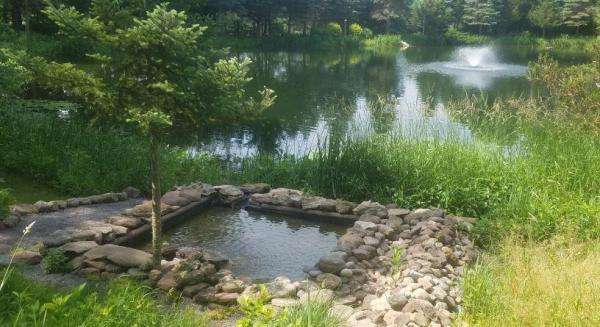
The Country Pond Filter system from National Pond Service is an ideal solution for ponds ranging from small decorative ponds up to approximately one acre in size. This system represents an excellent biological filtration solution for many HOA ponds, smaller farm ponds, and commercial water features that fall within this size range.
Optimal Application Size:
- Most effective as a standalone solution for ponds up to one acre
- Particularly suited for decorative ponds in commercial settings and HOA communities
- Ideal for smaller farm ponds used for livestock watering or limited irrigation
- Perfect for shallow ponds (under 8 feet deep) where bottom diffuser aeration may be less necessary
- Excellent for “problem zones” within larger ponds when strategically placed
Key Features and Benefits:
- Uses active media material that supports the growth of beneficial unicellular algae
- Requires minimal electricity (less than 100 watts) for operation
- Functions continuously, even during winter months when plants are dormant
- Installs quickly (approximately one hour) without excavation when a level pond bank is available
- All components ship in a single box with straightforward assembly instructions
- Creates a biological ecosystem that continuously filters pond water
How It Works:
The Country Pond Filter creates an environment where beneficial microorganisms thrive, effectively competing with problematic algae for nutrients. The filter media becomes colonized with these beneficial organisms after inoculation, establishing a self-sustaining ecosystem that naturally cleans the water. For ponds within the recommended size range, this biological approach provides excellent results without chemicals or extensive maintenance.
Integration with Larger Pond Management:
For ponds exceeding one acre, the Country Pond Filter can be incorporated as part of a comprehensive management program:
- Multiple units can be installed at strategic locations around larger ponds
- Particularly effective when positioned at pond inflows or in coves and problem areas
- Can be combined with supplemental aeration and beneficial bacteria applications
- Works in conjunction with proper watershed and buffer management
- Provides targeted treatment in high-visibility or high-use areas of larger water bodies
This system offers an excellent biological filtration option for appropriately sized ponds and can be a valuable component in a multi-faceted approach to larger pond management when properly integrated with other solutions.
5. Mechanical Harvesting and Hydro-Raking
DIY Approach:
For accessible shorelines of larger ponds, tractor-mounted rake systems and shore-based weed removal equipment can be operated by maintenance staff. Long-reach excavators with specialized attachments can remove accumulated muck from pond edges. For HOA and commercial ponds, designated cleanup days with volunteer or staff participation can help maintain shorelines and remove floating debris before it sinks and decomposes.
Professional Solution:
Professional muck and algae removal for large ponds employs specialized equipment including aquatic weed harvesters, hydraulic dredges, and amphibious vehicles that can access difficult shorelines. These services can remove substantial quantities of biomass without draining the pond, making them ideal for farm ponds that must remain operational and recreational ponds that can’t be taken offline.
Large-Scale Removal Strategies:
- Scheduled partial cleanings focusing on different sections each year
- Targeted removal in high-use areas (swimming zones, boat launches, fishing piers)
- Proper disposal or composting plans for removed material
- Timing operations to minimize impact on wildlife and pond users
- Integration with water level management when applicable (drawdowns)
Special Considerations for Different Types of Large Ponds
Farm Pond Management
- Implementing limited-access watering points for livestock
- Integrating pond management with overall farm conservation practices
- Considering multipurpose benefits (irrigation, fire suppression, wildlife habitat)
- Managing nutrient inputs from surrounding agricultural operations
- Balancing fish stocking with natural carrying capacity
Recreational Pond Considerations
- Creating designated swimming areas with enhanced maintenance
- Managing boat traffic to reduce shoreline erosion and sediment disturbance
- Balancing fishery management with algae and muck reduction measures
- Considering user safety with any management practice
- Implementing seasonal management calendars around peak usage periods
Detention/Retention Pond Requirements
- Maintaining required water capacity for stormwater management
- Complying with local regulations regarding maintenance standards
- Managing vegetation to ensure proper hydraulic function
- Addressing public safety concerns in accessible areas
- Balancing aesthetic expectations with primary drainage functions
HOA and Commercial Pond Aesthetics
- Developing clear maintenance standards that meet resident/tenant expectations
- Creating management plans that address both appearance and function
- Implementing education programs to build support for natural approaches
- Establishing long-term budget allocations for sustainable management
- Balancing recreational use with ecological health and aesthetic appeal
Implementation: DIY vs. Professional Management
When deciding between self-management and professional services for large ponds, consider:
- Pond size and complexity: Ponds over 3-5 acres typically benefit from professional assessment
- Available equipment and expertise: Large pond management requires specialized equipment
- Regulatory requirements: Many commercial and HOA ponds have legal maintenance obligations
- Budget framework: Consider long-term operational costs vs. periodic intensive interventions
- Management objectives: Balancing multiple uses often requires professional planning
For many large pond settings, a hybrid approach works best: professional assessment and system design, followed by trained staff implementation of routine maintenance, with periodic professional interventions for major issues.
Monitoring Large Pond Health
Effective management of large ponds requires consistent monitoring:
- Quarterly water quality testing (dissolved oxygen, nutrients, pH, turbidity)
- Annual depth measurements to track sediment accumulation
- Regular wildlife and fish population assessments
- Algae identification to target specific problem species
- Photographic documentation of seasonal changes and problem areas
Early detection of developing issues allows for targeted intervention before problems require more extensive and expensive remediation.
Conclusion: Sustainable Management for Large Water Bodies
Managing larger ponds without chemicals requires a comprehensive, systems-based approach that addresses underlying causes rather than just treating symptoms. By implementing appropriate aeration, establishing effective buffers, utilizing beneficial bacteria, incorporating filtration systems like the Country Pond Filter for appropriately sized ponds, and employing targeted mechanical removal, large pond managers can achieve sustainable results.
For ponds up to one acre, the National Pond Service Country Pond Filter offers an exceptional standalone solution that can dramatically improve water quality with minimal maintenance. For larger water bodies, combining multiple approaches including strategic placement of Country Pond Filters in problem areas creates a synergistic effect that enhances overall pond health.
Remember that natural pond management at scale requires patience and consistent attention. While results may take longer than chemical treatments, they create resilient aquatic ecosystems that maintain themselves with decreasing intervention over time. By addressing the unique challenges of your specific pond type, whether agricultural, recreational, stormwater, or decorative, you can develop a natural management program that enhances both function and appearance for years to come.