Garden Stream
Jim2020-07-13T12:59:13-04:00This garden stream is a pond less feature that flows through a beautiful backyard landscape. We can build one for you.

This garden stream is a pond less feature that flows through a beautiful backyard landscape. We can build one for you.
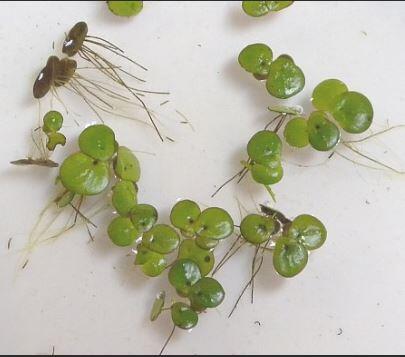
We have created a check list of considerations and actions to take if duckweed is growing on the surface of your pond: Duckweed can survive a PH range from 5 to 9 and grows well between 6.5 and 7.5 If the PH is below 7.0 ammonia can be kept [...]
If you are installing a Country Pond Filter you should locate a flat level area adjacent to your pond to position framing material or to dig a shallow basin. The size of the filter basin is generally determined by the size of your pond. We have good success using a [...]
As mentioned on the previous blog it is important to have the basin full of water and the system flowing before you start trimming the liner just in case an adjustment is needed or you have soft soil (sand)beneath the filter. When trimming the raceway liner it is best to [...]
The Country Pond Filter is a biological system that will help reduce nutrients in your pond. Nutrients that impact water quality may enter your pond from external sources like fertilizer runoff and when organic materials on the bottom are re-suspended or digested by microbial action. • No excavation is [...]
Filtering your pond water to directly compete with duckweed for nutrients is measurably effective, economical and low maintenance. We have field tested and monitored all kinds of methods and contraptions for removing duckweed but have settled on reducing the nutrients that these plants need to be susstainable. Our filtration system [...]
Effectively Reducing Duckweed in Your Pond Duckweed (Lamnaceae) are the smallest flowering aquatic plants with a worldwide distribution. Wolffia, Spirodela, and Lemna are three genera in this botanical family. These plants float on the surface of the water as it warms and are mostly all leaf with one or more [...]
What is Duckweed? Duckweed (Lamnaceae) are the smallest flowering aquatic plants with a worldwide distribution. Wolffia, Spirodela, and Lemna are three genera in this botanical family. These plants float on the surface of the water as it warms and are mostly all leaf with one or more thread like legs [...]
Reducing Phosphorous in your Pond with Biochar™ Biochar is remarkable, in that it looks like charcoal but is made by a highly controlled process called Pyrolysis that reduces material contamination and increases carbon storage. The result is a lightweight, porous material with a very large surface area. Biochar has the [...]
Further Assessing the Efficacy of Open-Cell Foam to Remove Algae and Algae-Toxins; Cape Cod Validation This whitepaper captures the independent field validation of AquaFlex’s Open-Cell foam to remediate Harmful Algal Blooms (HABs). The mesocosm program discussed herein took place at two (2) Cape Cod, Massachusetts ponds, Lovell’s and Shubael’s, both [...]